
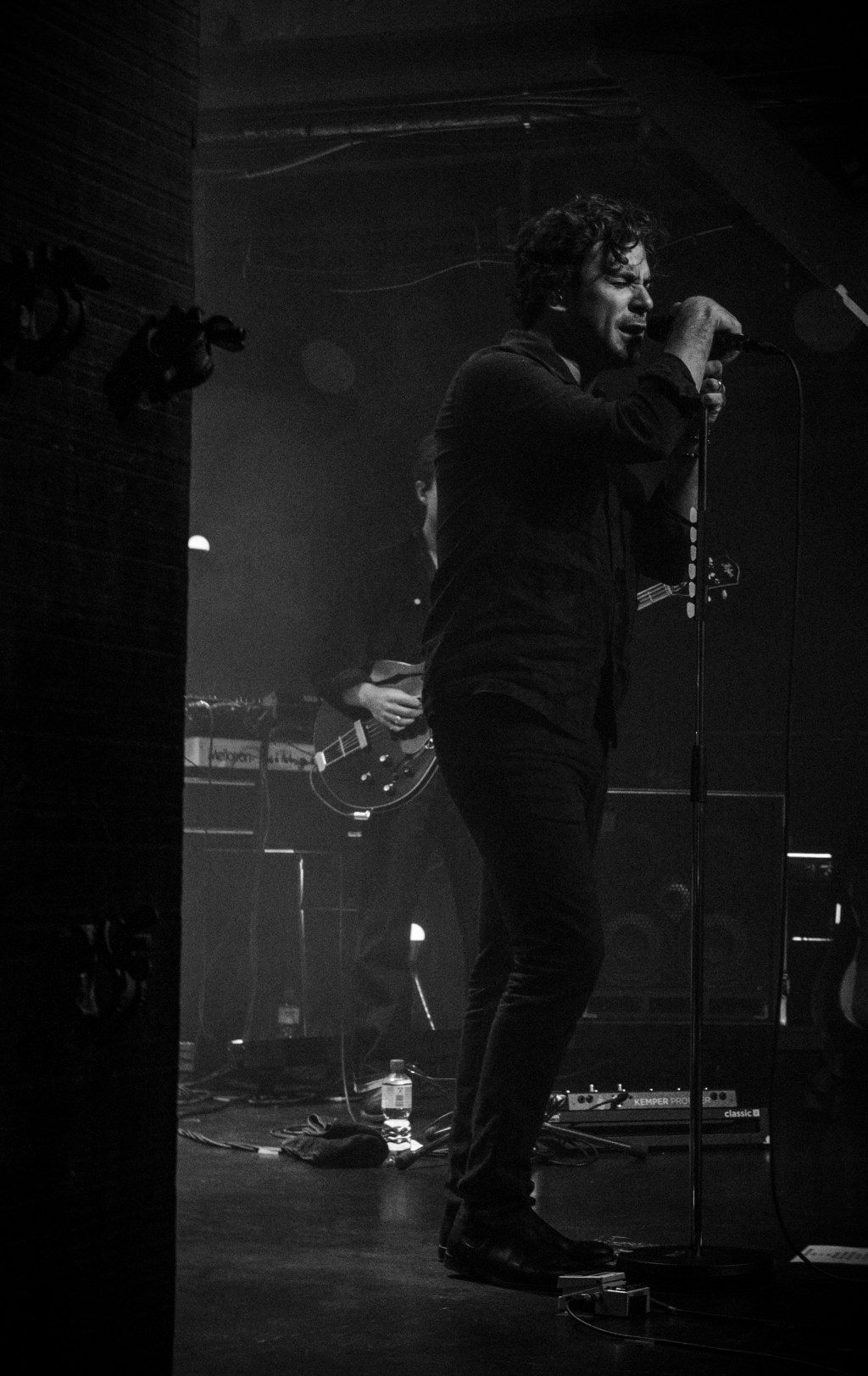
Concert Review & Exclusive Interview | FABRIK Hamburg, 8 October 2026
A few weeks before Jack Savoretti’s Hamburg concert, I had taken a closer look at his twenty-year career in The Art of Not Repeating Yourself – Twenty Years of Jack Savoretti, particularly the way his music has changed over the years without losing its identity. Now I was curious to hear what that evolution sounded like on stage.
I was genuinely looking forward to the show on 8 October. I’d missed my previous chance to see Savoretti live, and this time I was going to be photographing the concert as well. The weather wasn’t particularly encouraging – it had been raining for much of the day in Hamburg – but fortunately, I managed to avoid the worst of it and arrived at FABRIK with plenty of time to spare.
The venue staff were exceptionally friendly and helpful, and I was soon able to settle into the designated photography area behind the barrier in front of the stage. There was even enough time to leave my coat in the cloakroom before the concert began.
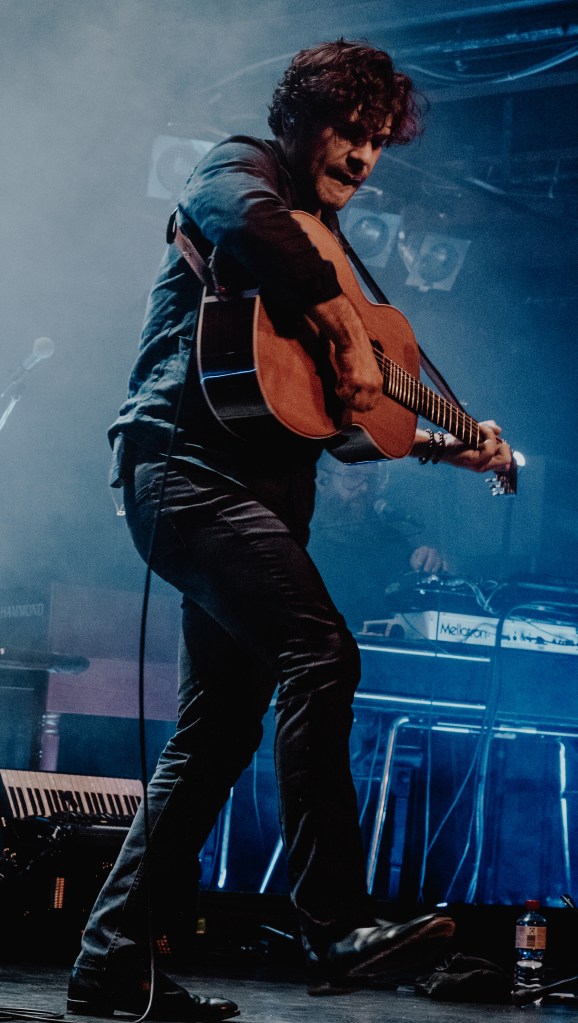
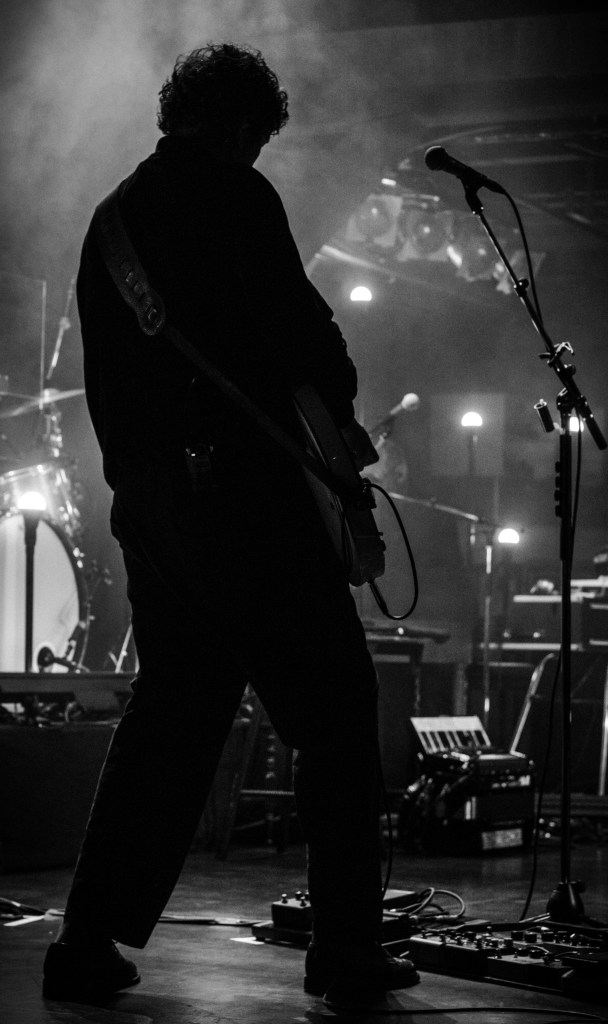
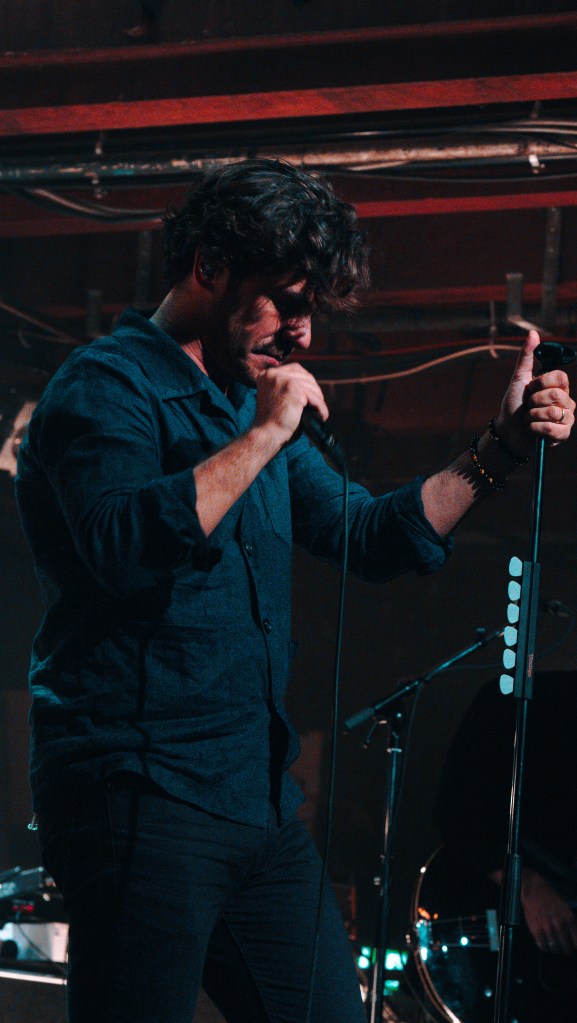
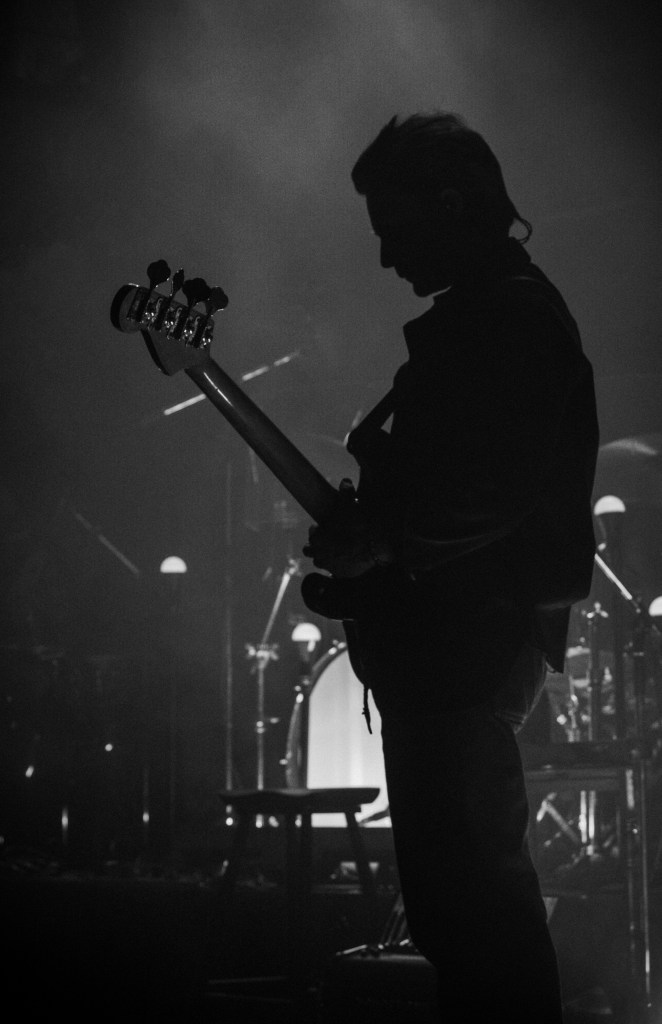
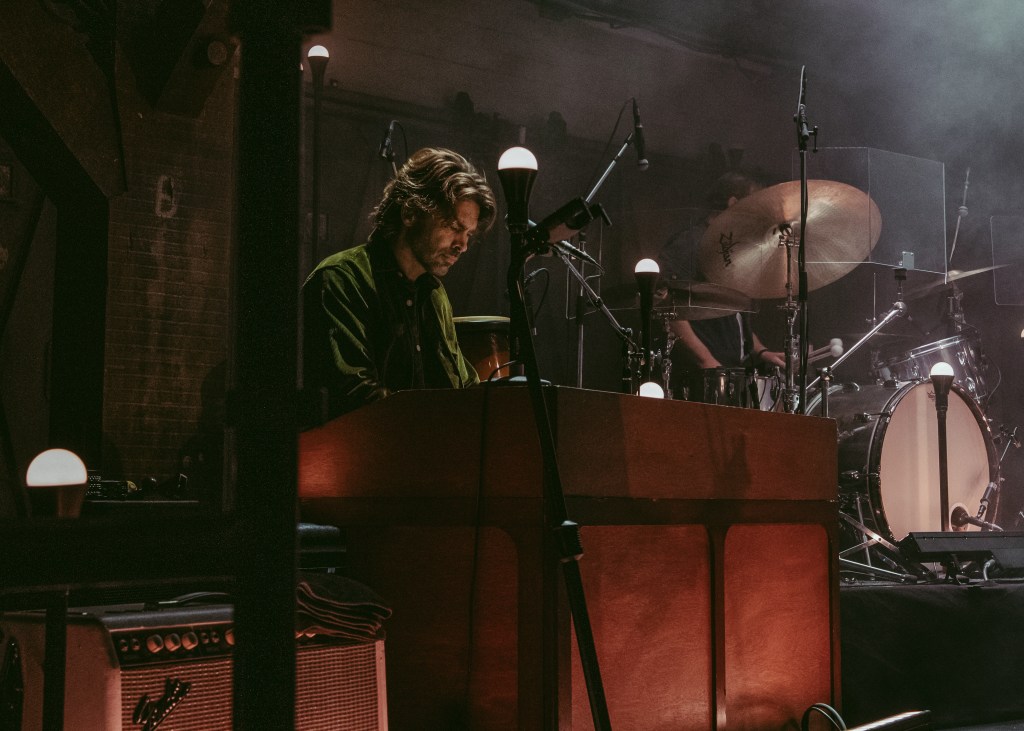
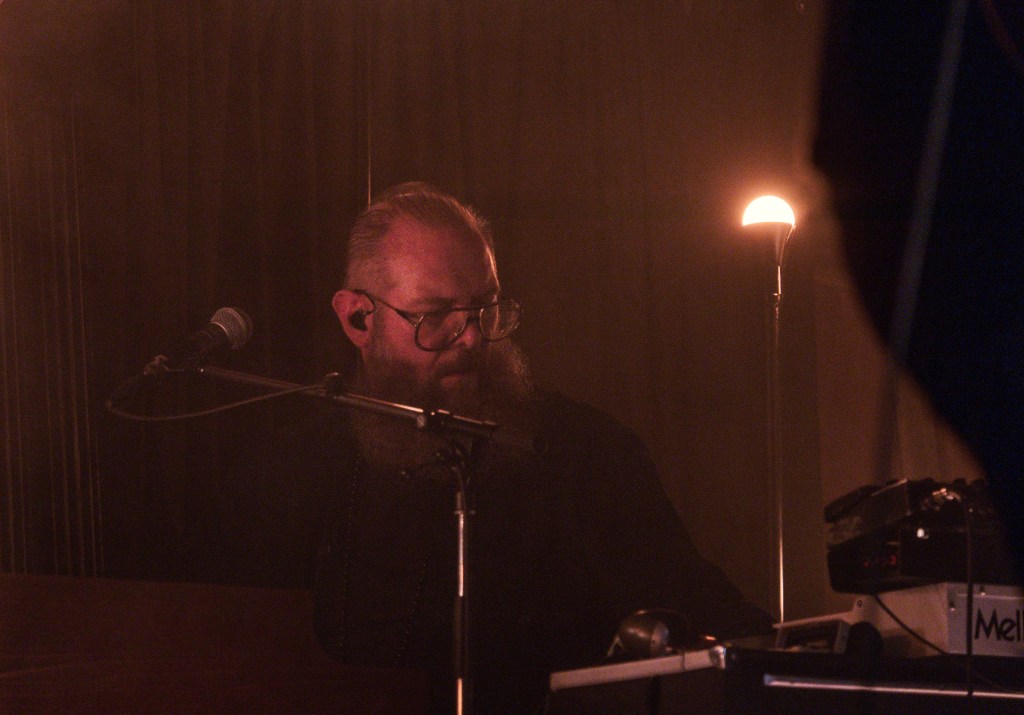
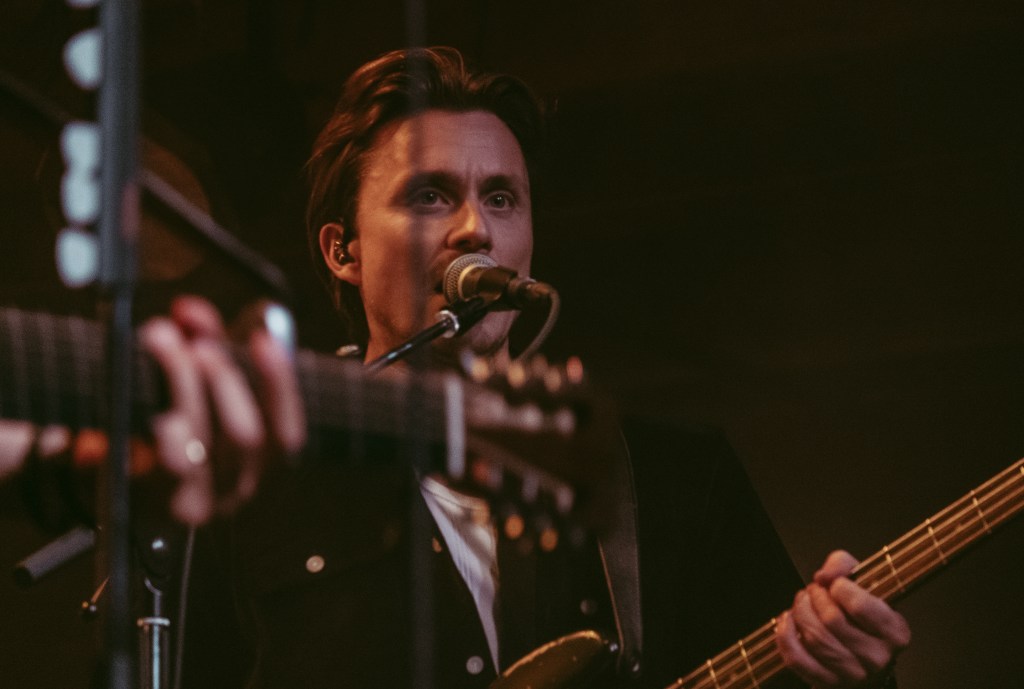
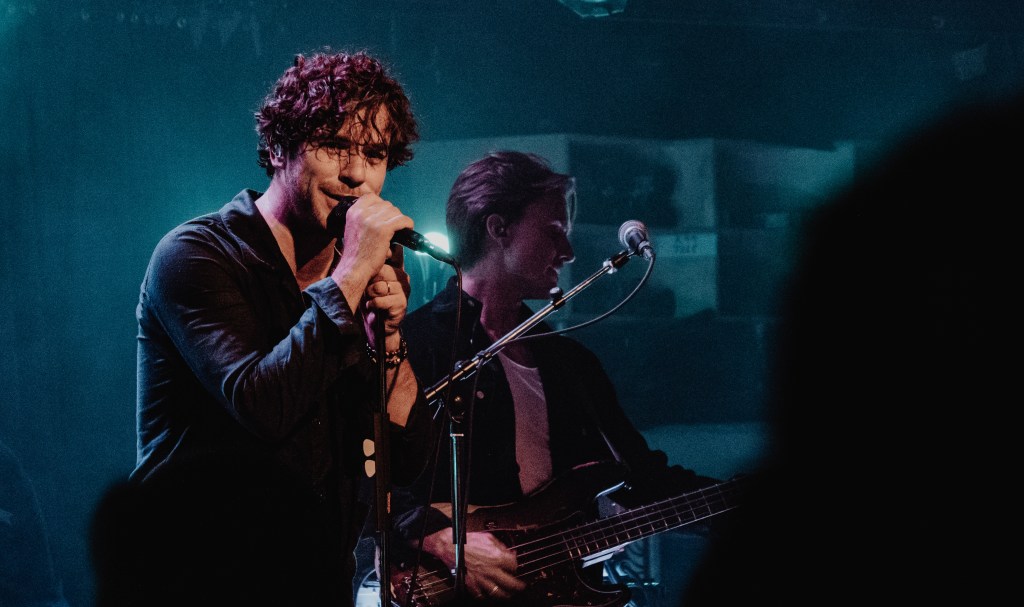
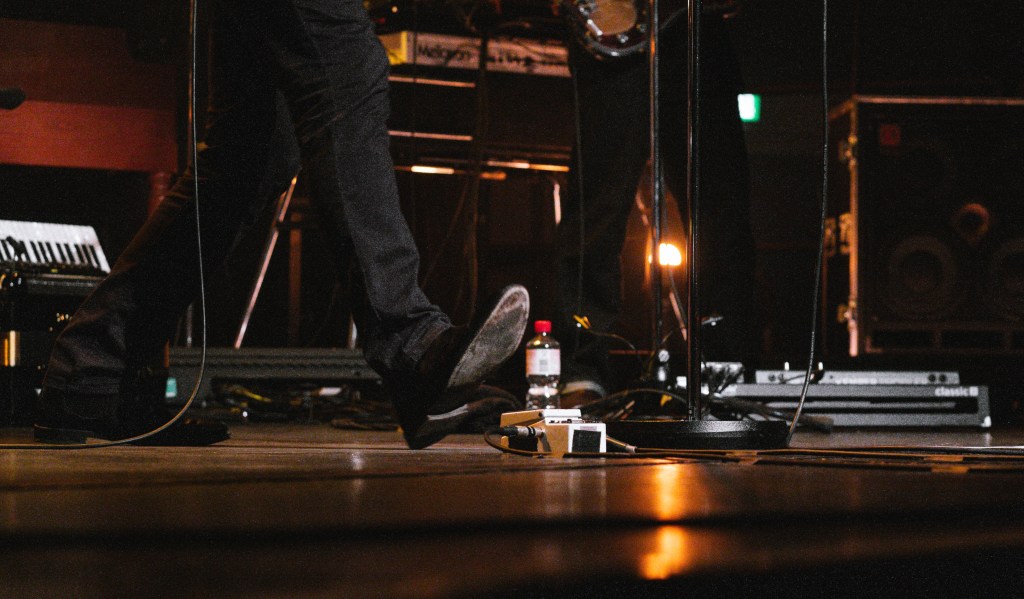
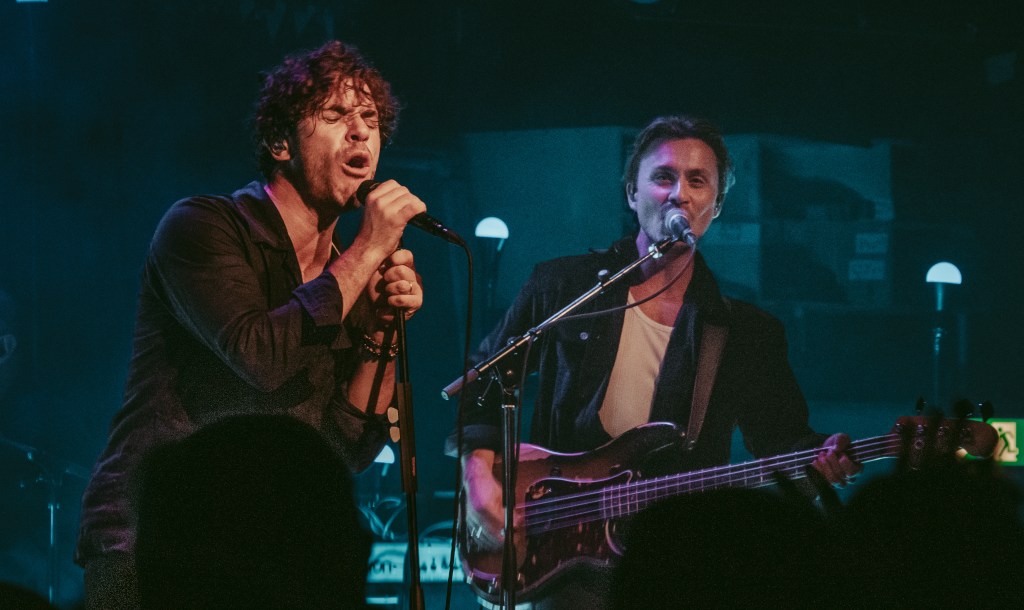
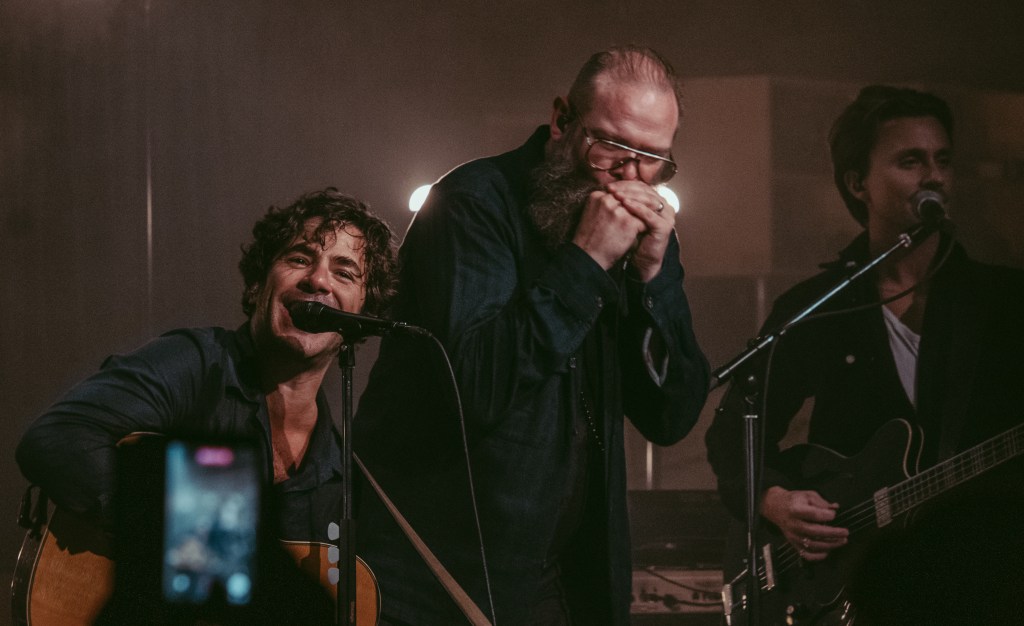
At precisely 8.05 pm, Savoretti and his band appeared without any particular introduction and went straight into the set. The sound was clean, detailed and almost studio-quality from the very beginning, which was particularly impressive in a relatively intimate venue like FABRIK. Although the show wasn’t sold out, the middle of the audience was tightly packed, and it quickly became clear that the space behind the barrier, which I could use for the first few songs, would be by far the most comfortable place to work.
It was obvious from the beginning that Savoretti and his musicians had been playing together for a long time, and that they genuinely enjoyed it. There was no particular sense of competition on stage, nor did anyone seem interested in drawing attention away from the others. Instead, it felt rather like watching a large family making music together: they listened to one another, responded to each other’s playing and occasionally seemed to exchange musical remarks through their instruments. None of it felt particularly calculated or rehearsed. It simply came naturally to them.
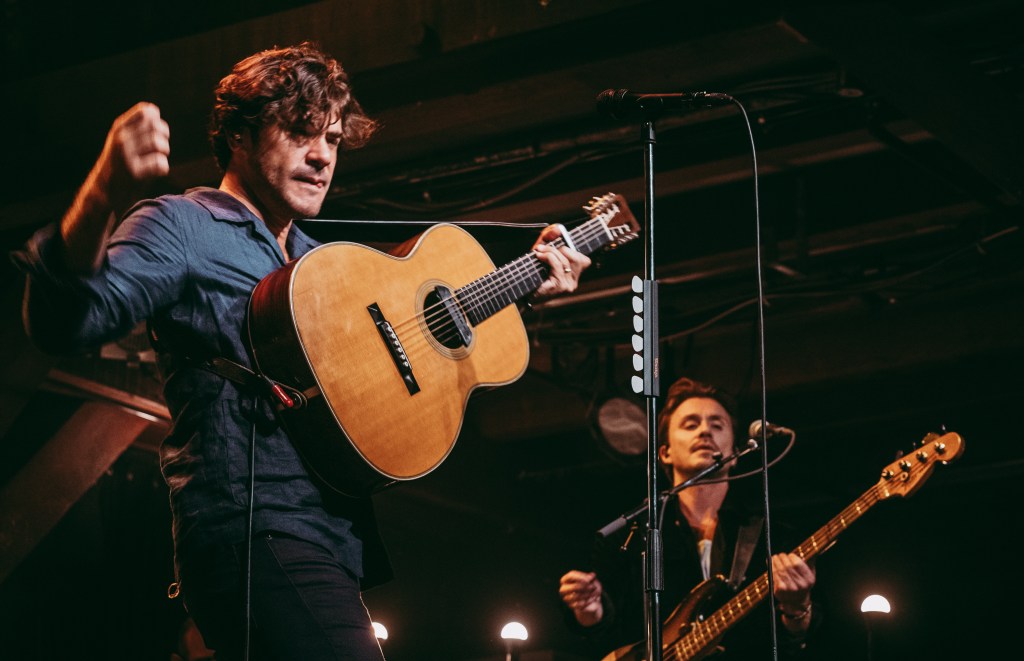
The audience was interesting, too. Most of those present appeared to be over forty, and there were also fans who had already attended several shows on this tour, some of them in different cities.
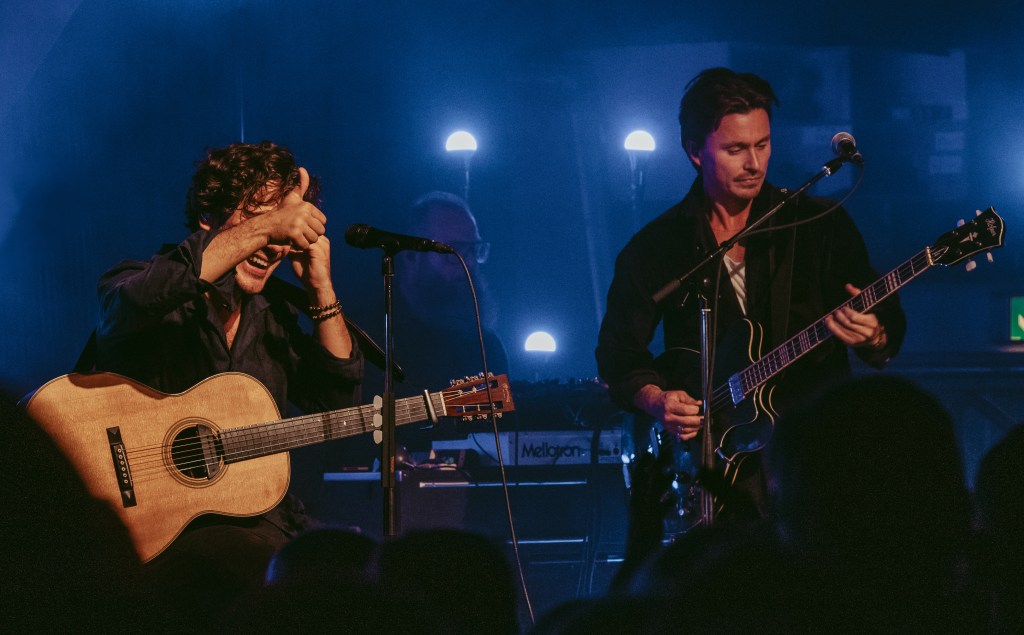
One of the most entertaining parts of the evening, for me, came during the two acoustic songs. Savoretti involved the audience in choosing what to play, asking what people wanted to hear and responding to their suggestions with humorous remarks. The atmosphere was relaxed and informal, and he seemed entirely at ease with the exchange. It was also a welcome opportunity to see a slightly different side of the performance, away from the more structured full-band arrangements.
Naturally, there were songs I had been particularly looking forward to hearing. One of them was Dancing Through the Rain, whose studio version has been on fairly constant rotation for me lately. Live, however, it took on a noticeably different character: heavier, more rock-driven, with an arrangement that brought out considerably more of its energy. I particularly liked that they weren’t simply trying to reproduce the recorded version, but allowed the song to develop into something slightly different on stage.
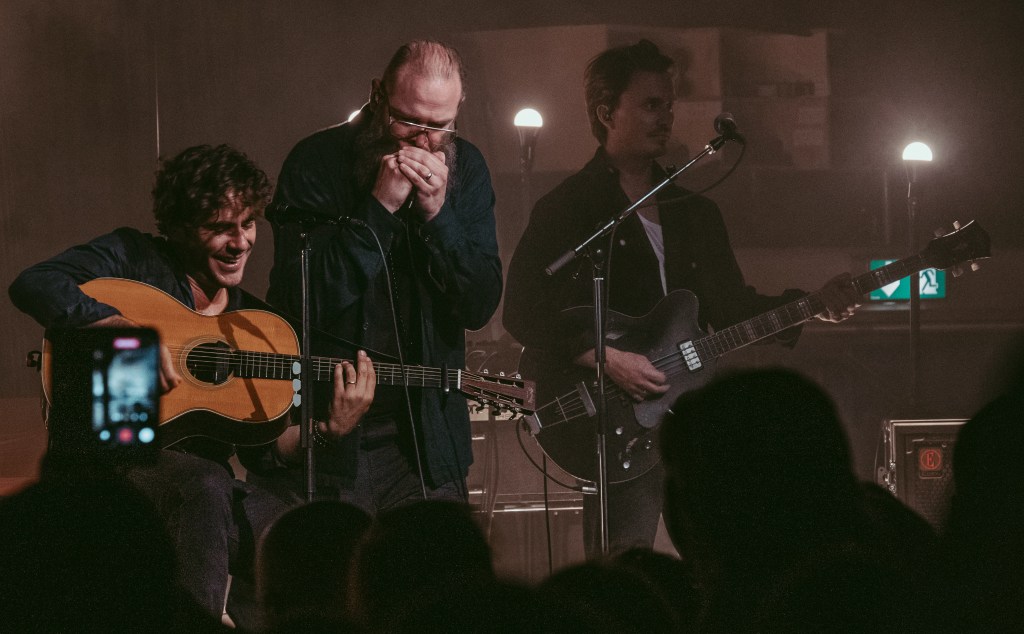
Bada Bing, Bada Boom worked particularly well live, too. Its rhythms came through much more strongly, while the interplay between English and Italian was even more effective than on the recording. That contrast is already one of the things I enjoy about the studio version, but hearing it with the full band gave the song an extra dimension.
Something else kept occurring to me throughout the concert, though, and it reminded me of a similar impression I’d had at a Kiefer Sutherland show some time ago. For all the freedom in the musicians’ playing, the performance itself was remarkably tightly run. It started on time, the transitions were seamless, and everything moved along at a steady pace. Savoretti and his band clearly enjoyed themselves, but there was also the practical discipline that comes with being on tour: however much room there is for spontaneity, there’s still a schedule to keep, another city to reach and another show to prepare for. What interested me was how much freedom they still found to play around with the songs within those boundaries.
The main set ended with Dancing Through the Rain, after which the band left the stage fairly quickly. The audience, naturally, called them back, although they kept everyone waiting for a few minutes before returning. When they reappeared, they seemed just as cheerful as they had been throughout the evening, and played Greatest Mistake as the encore. The concert finished at exactly 9.30 pm, bringing the entire performance to just one hour and twenty-five minutes.
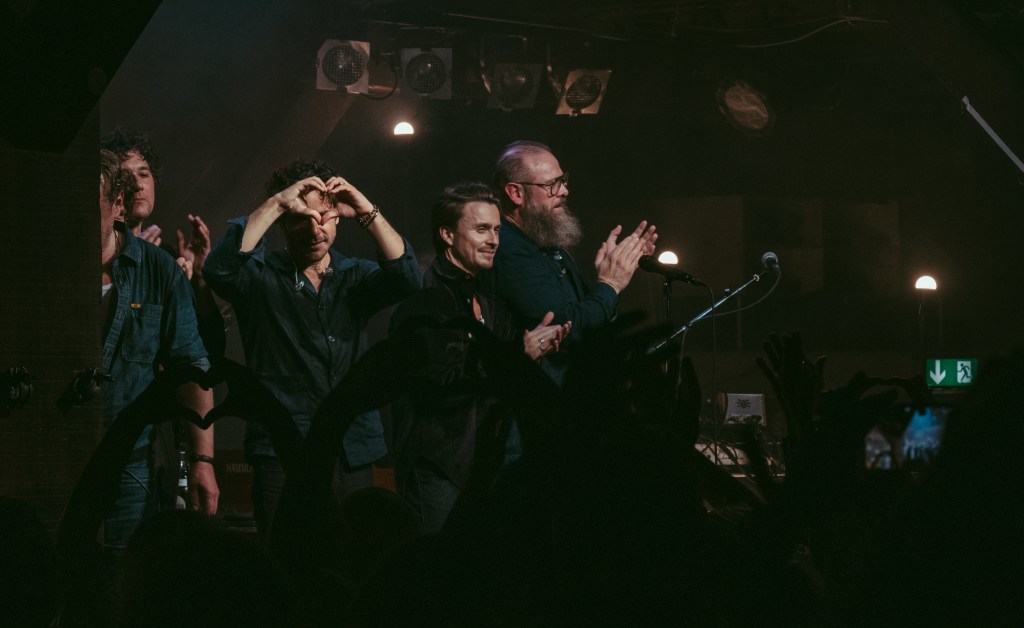
From a photographer’s perspective, however, the second half of the evening was rather less straightforward.
For the first few songs, I had been able to work relatively undisturbed from behind the barrier. Afterwards, I had to find somewhere suitable to photograph from among the audience, which proved quite difficult at FABRIK, particularly with so many people crowded together on the ground floor. Upstairs, a few people were extremely kind and let me step into their places briefly to take a couple of photographs. Downstairs, however, the response was considerably less welcoming. I got a few disapproving looks and comments when I tried to move through the crowd.
As a neurodivergent person, I find navigating crowded spaces difficult at the best of times, particularly when everyone is standing so close together. Having a camera in my hands usually helps. Once I’m looking through the viewfinder, I can concentrate on the stage and tune out some of what’s happening around me. But that’s much harder when I’m also trying to work out where I can stand, whether I’m blocking someone’s view and how to get from one part of the room to another without upsetting anyone.
So although I thoroughly enjoyed the music, photographing the latter part of the concert took considerably more energy than I’d anticipated. It didn’t change the fact that, musically, I’d had a very good evening.
I didn’t stay behind afterwards to try to meet Savoretti or any of the musicians, so I don’t know whether that would even have been possible. Partly, I wanted a little time to process everything in a quieter environment, and partly, my dog Susi was waiting for me at home, and it was time to get back to her.
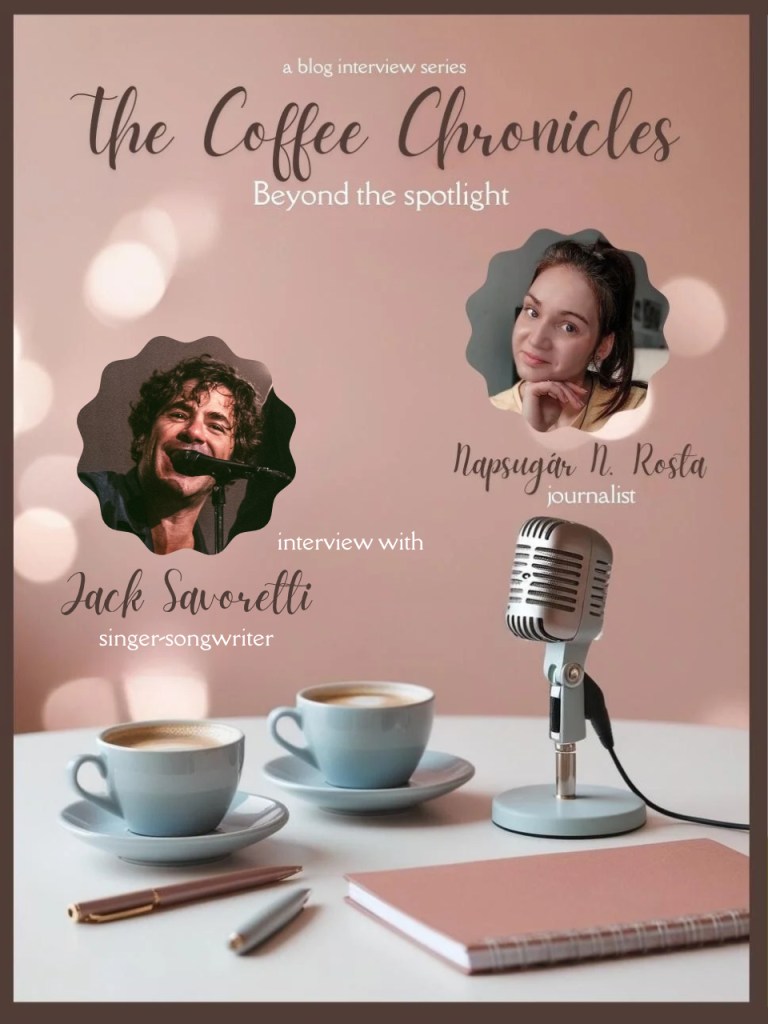
Although we didn’t meet in person, Jack Savoretti answered my questions in writing following the Hamburg concert. We talked about live performance, the realities of touring, the different habits of audiences across countries, and what it means to maintain your own musical identity after twenty years in the industry.
You’ve only recently started touring the new album. Have any of the songs surprised you once you started playing them live? Maybe the audience reacted to something you hadn’t expected, or the band naturally started playing a song differently after a few shows.
Jack Savoretti: I think it’s the audience that always surprises us in what they like. The One has really had a big response, so much so it became a single due to the audience response.
Have you ever come off stage after playing a song differently and thought, “Damn, maybe we should have recorded it like that”?
Jack Savoretti: More than wanting to record it differently, I want to perform the song differently every night. I’m so fortunate to play alongside the very best musicians and to have played with them for so long. We try and mix it up all the time and never play it safe. Sometimes that means something magical happens, and that’s the excitement that we look for every night.
What happens when one of you makes a mistake on stage? I’m especially curious whether there’s a difference between new songs, which are still becoming second nature, and older ones you’ve played so many times that you almost don’t have to think about them anymore. Do you just learn to read each other and carry on?
Jack Savoretti: Miles Davis used to tell Herbie Hancock to lean into the mistakes, as that is where the spontaneity and magic of live music really happen. That is so true, and like I said, I’m fortunate to be surrounded by my incredible band. They know exactly when to catch me and when to let me run free.
How do you come down from a long tour? You spend weeks living around the next show, and then suddenly there isn’t one. Can you switch that off quite easily, or does it take a while to get back to normal life? And do you have any end-of-tour rituals?
Jack Savoretti: It used to be the hardest part of touring; however, with experience you find ways of dealing with this. Having children has really helped me, as I get off tour having missed them and getting to be back and find out about everything I missed out on. We are lucky to get to share with each other the experiences of the recent weeks in a way we wouldn’t if we saw each other every day.
Young musicians are always told they need to find their own sound. Do you actually believe that? Or is there a danger that once you’ve found it – and people recognise you for it – you become afraid to move too far away from it?
Jack Savoretti: Good question. I’ve never wanted to be pigeonholed into one sound, as if you want to have a long career you need to be able to constantly evolve. So I think it’s important for a musician to have their own identity more than a sound. I’ve spent most of my career striving to do everything on my own terms. It takes time to have the confidence to do that, and then it takes time to convince everyone around you that it’s better than doing what everyone else does.
Something I find interesting about your career is how different your audience can be from one country to another. In the UK, you can sell out shows incredibly quickly, while in some parts of continental Europe it’s a very different market. Why do you think that gap still exists when the music itself is available everywhere?
Jack Savoretti: Every market acts differently because of local culture. In a place like London, where everything is very competitive, it’s hard to reach an audience because they have so much on offer, unlike in smaller, further-flung places where there are fewer options, so when a show comes to town people jump on it. Then there is also the difference of culture. For instance, some UK shows can sell out a year in advance, whereas most continental audiences don’t commit to next week, let alone in a year’s time.
Since this is part of The Coffee Chronicles, I’d like to end with the same question I ask every guest: if we sat down for a quiet drink together, what would you order?
Jack Savoretti: Depends what time of the day. Let’s say it’s after a show, then I would order an Old Fashioned.
Photo: © Napsugár N. Rosta / The Coffee Girl’s Adventures


Leave a Reply